
Living a healthy lifestyle has become more important than ever. As people balance busy work schedules, family responsibilities, and digital distractions, finding reliable wellness programs that encourage physical activity and mental well-being can make a meaningful difference. Community-based fitness initiatives continue to play an essential role in helping individuals of all ages develop healthier habits while building stronger social connections.
Many organizations now offer structured wellness opportunities that combine exercise, education, and community engagement. Resources like ymcaeucorg.com provide valuable information about wellness and fitness programs, making it easier for individuals and families to explore activities that support healthier lifestyles and long-term well-being.
Why Community Wellness Programs Matter
Health is about much more than maintaining a healthy weight. True wellness includes physical fitness, mental resilience, emotional balance, and meaningful social relationships. Community wellness programs create supportive environments where people can work toward these goals together.
Unlike temporary fitness trends, organized wellness programs focus on sustainable lifestyle improvements. Participants gain access to structured exercise routines, educational workshops, and supportive communities that encourage long-term success.
Some of the biggest advantages include:
- Increased physical activity
- Better cardiovascular health
- Improved flexibility and strength
- Reduced stress and anxiety
- Enhanced confidence and motivation
- Greater social interaction
These combined benefits help participants create healthier habits that can last a lifetime.
Physical Fitness for Every Age
One of the greatest strengths of community wellness initiatives is their ability to serve people at every stage of life.
Youth Fitness
Children benefit tremendously from structured physical activities. Youth fitness programs encourage movement through sports, games, swimming, and recreational activities while teaching teamwork and discipline.
Regular exercise during childhood also supports:
- Healthy growth
- Stronger bones
- Improved concentration
- Better academic performance
- Increased self-confidence
Developing healthy habits early often leads to healthier adulthood.
Adult Wellness Programs
Adults frequently struggle to find time for exercise amid work and family commitments. Flexible fitness schedules, group classes, and supportive coaching make it easier to stay active.
Popular adult activities often include:
- Strength training
- Cardio workouts
- Yoga
- Pilates
- Functional fitness
- Walking groups
These options allow participants to choose programs that match their fitness levels and personal goals.
Senior Health Initiatives
Older adults benefit greatly from regular movement. Low-impact exercises help improve balance, flexibility, mobility, and overall quality of life while reducing the risk of falls.
Senior wellness programs often include:
- Chair exercises
- Stretching classes
- Water aerobics
- Gentle strength training
- Balance improvement sessions
Remaining physically active supports both independence and healthy aging.
Mental Wellness Is Equally Important
Fitness is only one part of a healthy lifestyle. Emotional and mental health deserve equal attention.
Regular physical activity has been shown to reduce stress hormones while increasing endorphins, which naturally improve mood. According to the World Health Organization, regular physical activity contributes significantly to both physical and mental health, lowering the risk of numerous chronic diseases while improving psychological well-being.
Many wellness programs now incorporate mindfulness practices, relaxation techniques, breathing exercises, and stress management education to help participants achieve a healthier balance between body and mind.
Group Fitness Builds Motivation
One reason people abandon fitness routines is a lack of motivation. Exercising alone can become repetitive, making it easier to skip workouts.
Group fitness creates accountability and encouragement.
Popular group classes often include:
Cardio Classes
High-energy sessions improve endurance while helping participants burn calories efficiently.
Dance Fitness
Dance combines entertainment with exercise, making workouts enjoyable while improving coordination and cardiovascular health.
Yoga Sessions
Yoga promotes flexibility, balance, posture, and relaxation through controlled movements and breathing techniques.
Strength Training Groups
Supervised strength sessions help participants safely build muscle while learning proper exercise techniques.
Working alongside others often increases consistency and long-term commitment.
Wellness Education Creates Lasting Results
Exercise alone cannot deliver optimal health without healthy lifestyle choices.
Quality wellness programs frequently include educational resources covering topics such as:
- Balanced nutrition
- Healthy meal planning
- Weight management
- Sleep improvement
- Stress reduction
- Healthy habits
- Injury prevention
Education empowers participants to make informed decisions beyond the gym or fitness class.
Family-Oriented Activities Strengthen Communities
Wellness becomes even more effective when entire families participate together.
Family fitness activities encourage healthy habits across generations while strengthening relationships. Activities may include:
- Family sports days
- Community walks
- Swimming sessions
- Outdoor recreation
- Weekend fitness events
Children who see parents maintaining active lifestyles are more likely to adopt similar healthy behaviors themselves.
Inclusive Fitness for Everyone
Modern wellness programs increasingly recognize that every individual has unique needs.
Inclusive fitness ensures opportunities are available regardless of:
- Age
- Fitness level
- Physical ability
- Experience
- Health conditions
Adaptive exercise options, beginner-friendly classes, and supportive instructors make wellness more accessible to diverse communities.
The Role of Professional Guidance
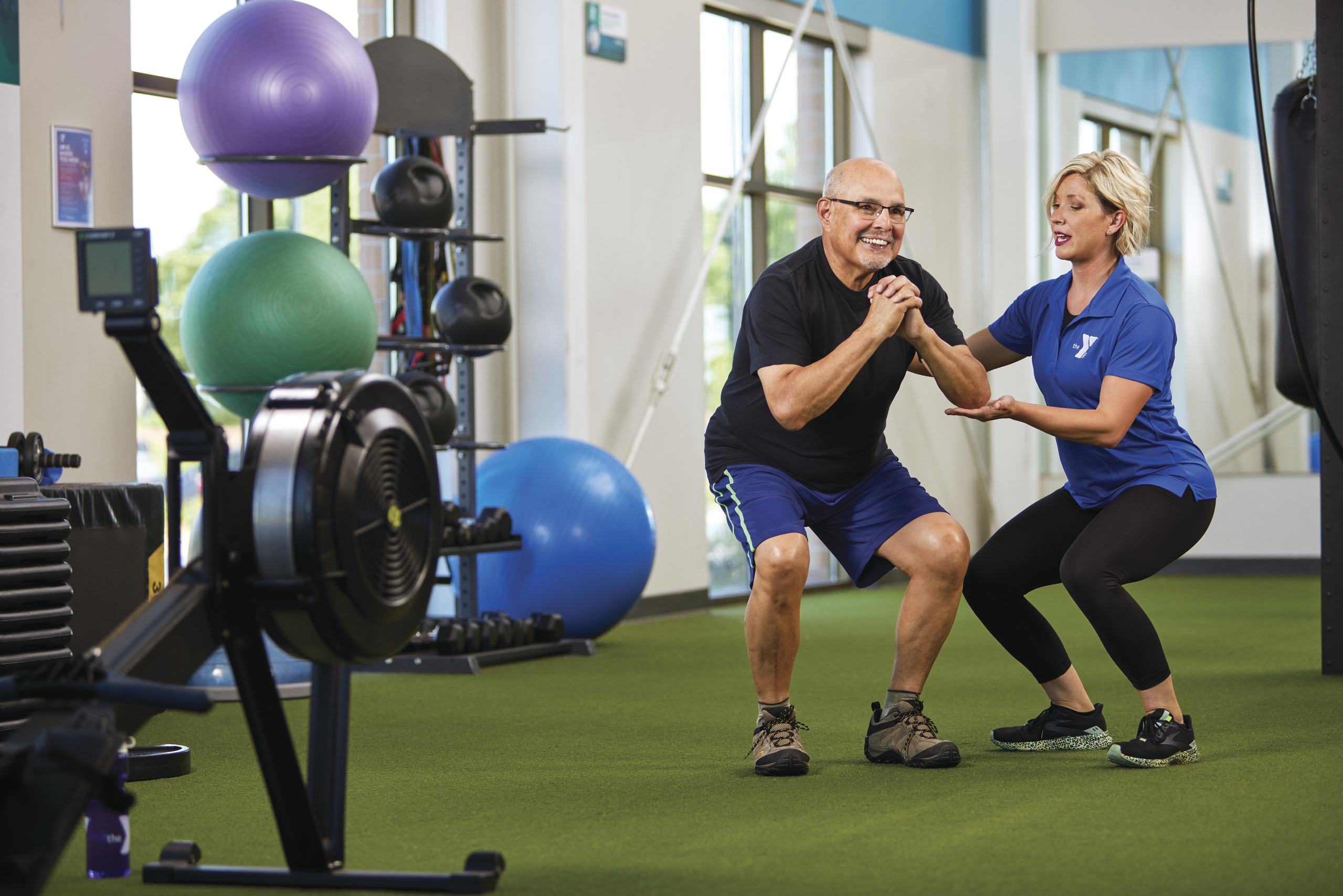
Proper instruction helps participants achieve better results while reducing injury risks.
Certified fitness professionals provide:
- Personalized recommendations
- Safe exercise techniques
- Goal setting
- Progress monitoring
- Motivation
- Exercise modifications
Professional guidance allows participants to build confidence while progressing safely toward their wellness objectives.
Building Healthy Habits That Last
Long-term health comes from consistent daily habits rather than short bursts of motivation.
Effective wellness programs encourage sustainable behaviors such as:
- Regular physical activity
- Nutritious eating
- Adequate hydration
- Quality sleep
- Stress management
- Routine health monitoring
Small improvements maintained over time often produce significant long-term benefits.
Community Support Makes a Difference
One of the greatest advantages of organized wellness initiatives is the sense of belonging they create.
Supportive communities help individuals remain motivated through:
- Shared goals
- Friendly encouragement
- Group achievements
- Positive accountability
- Social interaction
These relationships often become just as valuable as the fitness activities themselves.
Choosing the Right Wellness Program
When selecting a wellness or fitness program, consider factors such as:
- Qualified instructors
- Variety of classes
- Flexible scheduling
- Family-friendly options
- Clean facilities
- Positive community atmosphere
- Educational resources
- Inclusive programming
Choosing a program that aligns with personal interests increases the likelihood of long-term participation.
Conclusion
Wellness and fitness programs do far more than improve physical health. They strengthen communities, encourage lifelong healthy habits, support mental well-being, and create opportunities for meaningful social connections. Whether someone is beginning their fitness journey or looking to maintain an active lifestyle, community-based wellness initiatives provide valuable resources that promote healthier living for people of every age.
Investing time in regular physical activity, balanced nutrition, and supportive community engagement can lead to lasting improvements in overall quality of life. By participating in structured wellness programs, individuals not only improve their own health but also contribute to stronger, healthier communities for future generations.
- What to Consider When Planning an International Trip
- ymcaeuc.org Wellness and Fitness Programs: Building Healthier Communities Through Active Living
- Can Beginners Start a Dropshipping Business?
- How to Upgrade Hard Drive Without Reinstalling Windows
- Why Gaseping com Is Becoming a Popular Multi-Topic Website