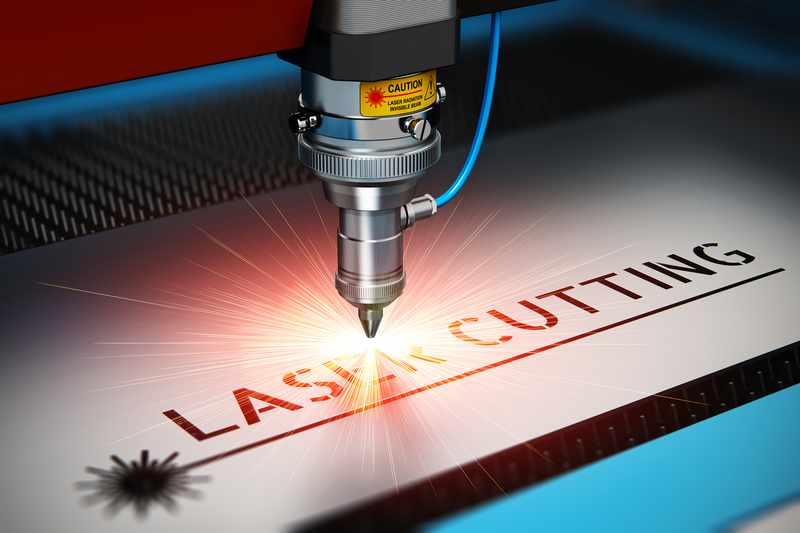
Laser engraving has transformed modern manufacturing, product customization, and industrial marking by offering unmatched precision, speed, and consistency. From personalized gifts and promotional products to aerospace components and medical devices, laser engraving technology has become an essential tool for professionals who demand high-quality results. As industries continue to embrace automation and advanced manufacturing, selecting the right laser engraving equipment has become a critical investment for long-term productivity and business growth.
Professional engraving requires more than simply purchasing a powerful machine. Factors such as material compatibility, engraving speed, software integration, maintenance, and long-term reliability all influence performance. Businesses looking for advanced laser engraving solutions and modern equipment can explore Laaster for information about laser technologies designed to support professional engraving, marking, and precision manufacturing applications.
Why Precision Matters in Laser Engraving
Precision is one of the biggest advantages of laser engraving. Unlike traditional engraving methods that rely on mechanical contact, laser systems use highly focused beams of light to create permanent markings with exceptional accuracy. This non-contact process minimizes material wear while producing clean edges and intricate details.
Professional industries depend on this level of precision for serial numbers, barcodes, logos, identification plates, medical instruments, electronic components, and custom artwork. Consistent engraving quality improves both product appearance and manufacturing efficiency.
Understanding Different Types of Laser Engraving Systems
Several laser technologies are available, each designed for different materials and applications.
Fiber Lasers
Fiber lasers are widely used for engraving metals including stainless steel, aluminum, brass, copper, and titanium. They provide excellent marking speed, durability, and low maintenance, making them ideal for industrial production environments.
CO₂ Lasers
CO₂ laser systems work exceptionally well on wood, acrylic, leather, rubber, paper, glass, and many plastics. They are commonly used in signage, packaging, furniture manufacturing, and personalized gift production.
UV Lasers
UV lasers generate extremely fine markings with minimal heat impact, making them suitable for delicate materials, electronics, medical devices, and high-precision manufacturing applications.
Selecting the correct laser technology ensures optimal engraving quality while maximizing equipment lifespan.
Features Professionals Should Look For
Professional laser engraving systems should combine performance, reliability, and ease of operation. Important features include:
- High engraving accuracy
- Stable laser output
- Fast processing speeds
- User-friendly software
- Material compatibility
- Automatic focusing capabilities
- Safety protection systems
- Low maintenance requirements
Modern machines also integrate with CAD and design software, allowing businesses to move efficiently from concept to production.
Materials Compatible with Laser Engraving
One of laser engraving’s greatest strengths is its versatility. Professional equipment can engrave a wide range of materials, including:
- Stainless steel
- Aluminum
- Brass
- Copper
- Titanium
- Acrylic
- Wood
- Leather
- Glass
- Plastic
- Stone
- Ceramic
Each material requires optimized power settings, speed, and focal distance to achieve the highest-quality results without damaging the workpiece.
Benefits for Manufacturing Businesses
Manufacturers increasingly rely on laser engraving because it supports efficient, repeatable production. Permanent markings improve traceability, inventory management, and product authentication while reducing production errors.
Automated engraving systems also reduce labor costs by performing repetitive tasks with consistent precision. This enables businesses to increase production capacity while maintaining high quality standards.
Supporting Product Customization
Personalization has become a major trend across multiple industries. Customers increasingly seek customized products featuring names, logos, serial numbers, artwork, or unique designs.
Laser engraving enables businesses to efficiently produce customized products without requiring expensive tooling changes. Whether creating personalized awards, jewelry, promotional merchandise, or industrial components, laser technology delivers consistent professional results.
Maintenance and Long-Term Performance
Regular maintenance helps maximize laser system reliability and lifespan. Cleaning optical components, inspecting cooling systems, updating software, and following manufacturer maintenance schedules help ensure consistent engraving quality.
Businesses should also invest in operator training. Proper machine operation reduces errors, improves workplace safety, and extends equipment longevity.
Safety Considerations
Professional laser systems should always be operated using appropriate safety procedures. Protective enclosures, ventilation systems, emergency stop controls, and proper eye protection help create a safe working environment.
Employers should train operators to understand laser classifications, material hazards, and safe operating practices before using any industrial laser equipment.
For comprehensive laser safety guidance, professionals can refer to the Occupational Safety and Health Administration (OSHA), which provides valuable workplace safety information related to laser operations.
The Future of Precision Laser Engraving
Laser engraving technology continues to evolve through automation, artificial intelligence, and smart manufacturing integration. Advanced systems now feature automated material handling, vision-based positioning, remote monitoring, and predictive maintenance capabilities.
As Industry 4.0 continues to expand, laser engraving equipment will become even more efficient, connected, and capable of supporting fully automated production environments. Businesses investing in advanced laser technology today position themselves for greater productivity and long-term competitiveness.
Conclusion
Precision laser engraving has become an indispensable technology for professionals across manufacturing, engineering, design, healthcare, and product customization. The ability to produce accurate, permanent, and high-quality markings efficiently makes laser systems valuable investments for businesses seeking improved productivity and customer satisfaction. By selecting reliable equipment, following proper safety practices, and embracing technological innovation, organizations can achieve outstanding engraving results while preparing for the future of advanced manufacturing.
- What to Consider When Planning an International Trip
- ymcaeuc.org Wellness and Fitness Programs: Building Healthier Communities Through Active Living
- Can Beginners Start a Dropshipping Business?
- How to Upgrade Hard Drive Without Reinstalling Windows
- Why Gaseping com Is Becoming a Popular Multi-Topic Website