
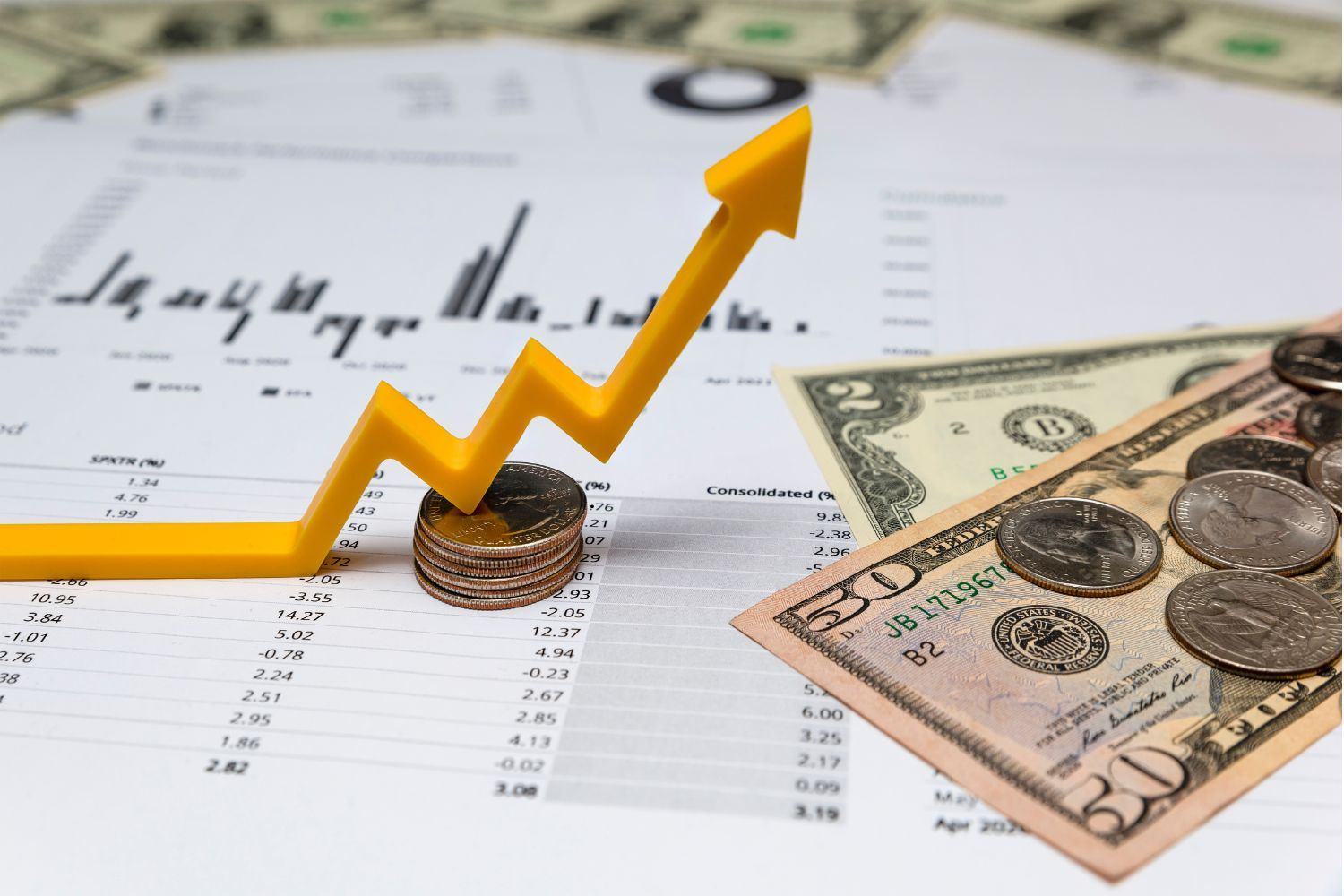
Global financial markets do not move in isolation. Every major shift in interest rates, inflation, employment, consumer spending, or government policy has the potential to influence businesses, investors, and entire economies. This broader perspective is known as macroeconomic market analysis. Instead of focusing on a single company, macroeconomic analysis examines the larger economic environment to understand where markets may be heading and how investment opportunities are likely to evolve.
Whether you are an experienced investor or someone beginning to explore financial markets, understanding macroeconomic trends can improve decision-making and reduce uncertainty. Reliable research platforms such as FundFireInsight.com provide valuable insights into market movements, helping investors interpret economic developments and make more informed financial decisions.
Macroeconomic analysis combines data, historical trends, and economic indicators to build a clearer picture of the financial landscape. While no analysis can predict the future with complete accuracy, understanding these indicators allows investors to prepare for different market scenarios rather than reacting emotionally to sudden changes.
What Is Macroeconomic Market Analysis?
Macroeconomic market analysis is the study of economic conditions that affect national and global financial markets. Instead of evaluating one business or stock, it examines factors that influence the economy as a whole.
Some of the most important macroeconomic indicators include:
- Gross Domestic Product (GDP)
- Inflation rates
- Interest rates
- Employment statistics
- Consumer confidence
- Government spending
- Fiscal policy
- Monetary policy
- International trade
- Currency movements
Together, these indicators provide valuable information about the overall health of an economy and the likely direction of financial markets.
Why Macroeconomic Analysis Matters
Markets often respond to expectations rather than current conditions. Investors constantly assess whether economic growth is accelerating, slowing down, or entering a recession.
Understanding macroeconomic trends helps investors:
- Identify long-term investment opportunities
- Recognize economic risks early
- Diversify portfolios effectively
- Improve asset allocation
- Better understand market volatility
- Make informed financial decisions
Rather than chasing headlines, macroeconomic analysis encourages a disciplined investment strategy built on economic fundamentals.
Key Economic Indicators Every Investor Should Watch
1. Gross Domestic Product (GDP)
GDP measures the total value of goods and services produced within an economy. Strong GDP growth often signals expanding business activity and increasing corporate earnings.
However, extremely rapid growth can sometimes contribute to inflation, leading central banks to increase interest rates.
2. Inflation
Inflation reflects the pace at which prices rise across the economy. Moderate inflation usually accompanies healthy economic growth.
High inflation, however, reduces purchasing power and often prompts central banks to tighten monetary policy.
Common inflation measures include:
- Consumer Price Index (CPI)
- Producer Price Index (PPI)
Monitoring inflation helps investors anticipate future interest rate decisions.
3. Interest Rates
Interest rates significantly influence borrowing costs, consumer spending, and corporate investments.
When interest rates rise:
- Mortgage costs increase.
- Business borrowing becomes more expensive.
- Consumer spending may slow.
- Stock valuations may decline.
Lower interest rates generally encourage borrowing, investment, and economic expansion.
Employment Data and Labor Markets
Employment reports provide valuable insight into economic health.
Key labor indicators include:
- Unemployment rate
- Job creation
- Wage growth
- Labor force participation
Strong employment usually supports consumer spending, which drives a large portion of economic activity.
Weak labor markets often indicate slowing economic growth and reduced consumer confidence.
Consumer Confidence
Consumers play a major role in modern economies. Their willingness to spend affects retail sales, housing markets, travel, and many other industries.
Consumer confidence surveys measure public expectations regarding:
- Employment
- Income
- Financial stability
- Economic outlook
Higher confidence often leads to stronger spending, while declining confidence can signal slower economic growth.
Government Fiscal Policy
Governments influence economic activity through taxation and public spending.
Expansionary fiscal policies may include:
- Infrastructure investment
- Tax reductions
- Business incentives
Restrictive fiscal policies may involve:
- Spending cuts
- Tax increases
- Deficit reduction measures
Fiscal decisions can affect corporate earnings, inflation, and long-term market performance.
Central Banks and Monetary Policy
Central banks, such as the Federal Reserve, manage monetary policy to maintain economic stability.
Their primary objectives often include:
- Controlling inflation
- Supporting employment
- Maintaining financial stability
Policy tools include:
- Interest rate adjustments
- Open market operations
- Reserve requirements
Investors closely monitor central bank announcements because financial markets frequently react within minutes of major policy decisions.
For a detailed overview of how monetary policy influences inflation and financial markets, the International Monetary Fund (IMF) offers extensive research and educational resources.
Global Events and Their Market Impact
Modern financial markets are highly interconnected.
Several international developments can quickly influence investment performance:
Geopolitical Events
Wars, elections, diplomatic tensions, and trade disputes often increase uncertainty and market volatility.
Commodity Prices
Changes in oil, natural gas, and agricultural prices affect inflation, manufacturing costs, and corporate profits.
Currency Exchange Rates
Currency fluctuations influence international trade, multinational companies, and foreign investments.
Supply Chain Disruptions
Global events can interrupt manufacturing and distribution, affecting production costs and consumer prices.
How Investors Apply Macroeconomic Analysis
Professional investors combine macroeconomic analysis with company-level research to build stronger investment strategies.
Common applications include:
Portfolio Diversification
Different asset classes perform differently during various economic conditions.
Investors often balance:
- Stocks
- Bonds
- Commodities
- Real estate
- Cash equivalents
Diversification helps reduce overall portfolio risk.
Sector Rotation
Certain industries perform better during different stages of the economic cycle.
For example:
During expansion:
- Technology
- Consumer discretionary
- Industrials
During slower growth:
- Utilities
- Healthcare
- Consumer staples
Understanding economic cycles helps investors position portfolios more effectively.
Risk Management
Macroeconomic analysis helps identify potential risks before they significantly affect investments.
Examples include:
- Rising inflation
- Recession risks
- Interest rate changes
- Credit tightening
- Currency volatility
Recognizing these trends early allows investors to adjust strategies accordingly.
Common Mistakes to Avoid
Many beginners misunderstand macroeconomic analysis by focusing only on headlines.
Some common mistakes include:
- Ignoring long-term trends
- Reacting emotionally to short-term market movements
- Depending on a single economic indicator
- Failing to diversify investments
- Overestimating market predictions
Successful investors evaluate multiple indicators together rather than relying on isolated data points.
Building a Long-Term Perspective
Financial markets naturally experience periods of growth, correction, and recovery.
Macroeconomic analysis encourages investors to maintain perspective by examining broader economic conditions rather than daily price fluctuations.
Consistent monitoring of inflation, employment, interest rates, consumer spending, and global developments provides a more balanced understanding of market conditions.
Over time, this disciplined approach helps investors make more rational decisions, manage risk effectively, and pursue long-term financial goals with greater confidence.
Conclusion
Macroeconomic market analysis is one of the most valuable tools available to investors seeking to understand financial markets beyond individual companies or short-term price movements. By studying economic indicators such as GDP, inflation, employment, interest rates, and government policy, investors gain deeper insight into the forces that shape market performance.
While no analytical method guarantees success, combining macroeconomic knowledge with sound investment principles creates a stronger foundation for making informed financial decisions. Investors who stay focused on long-term economic trends instead of reacting to daily market noise are often better positioned to navigate changing market conditions and identify sustainable opportunities for growth.
- What to Consider When Planning an International Trip
- ymcaeuc.org Wellness and Fitness Programs: Building Healthier Communities Through Active Living
- Can Beginners Start a Dropshipping Business?
- How to Upgrade Hard Drive Without Reinstalling Windows
- Why Gaseping com Is Becoming a Popular Multi-Topic Website